
Fishing Products Boat Rods

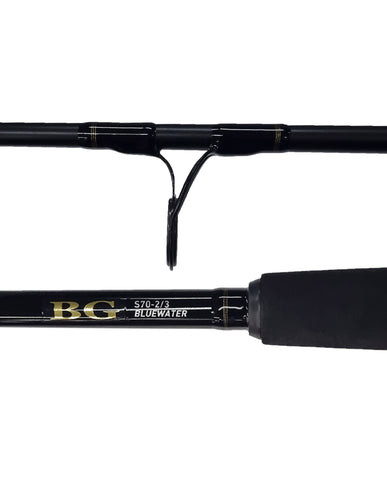


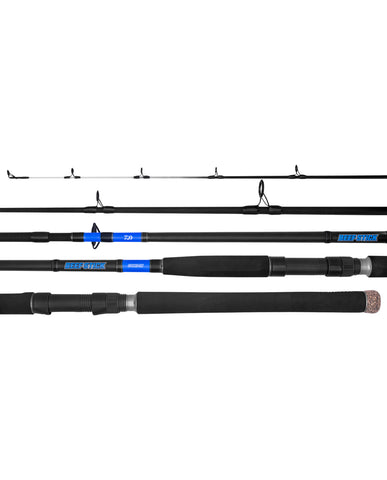

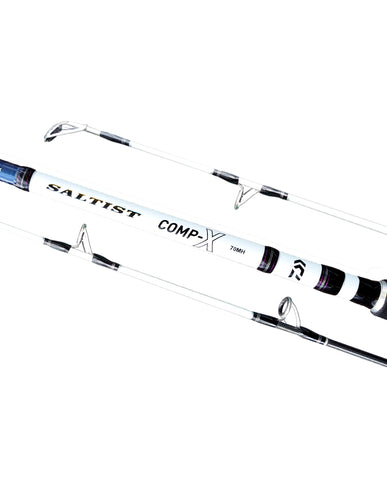

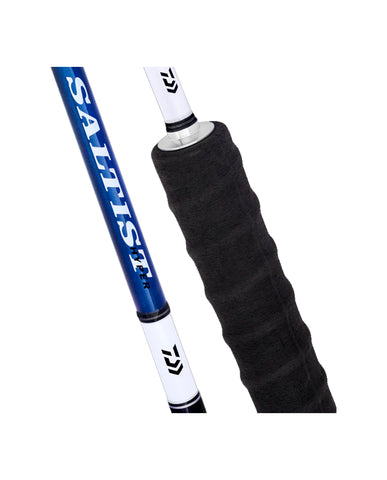

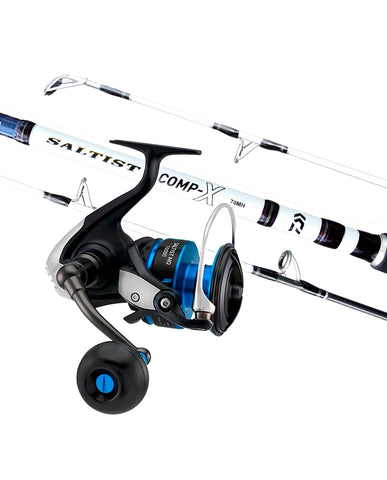

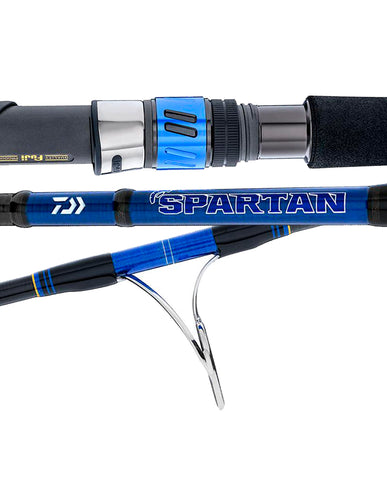

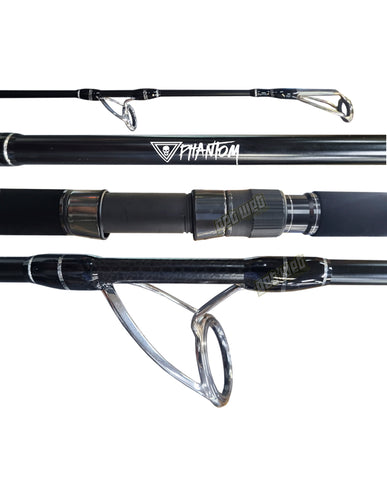

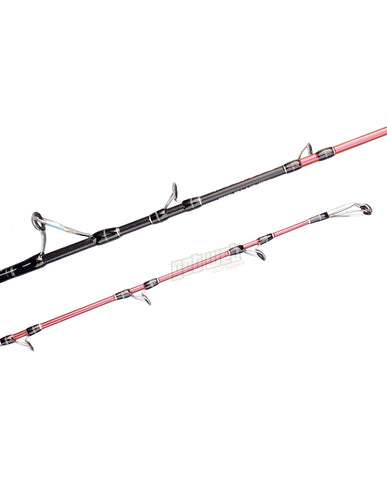


Premium Boat Fishing Rods for Every Adventure
When it comes to offshore and inshore fishing, choosing the right gear can make or break your day on the water. At Get Wet Outdoors, we stock a premium range of Boat Rods designed for Australian fishing conditions.
Frequently Asked Questions
What makes boat rods different from surf rods?
Boat Rods are typically shorter, usually ranging from 5 to 7 feet, making them easier to handle in confined spaces on boats. Their compact design provides more leverage when fighting fish vertically, especially in deep water or around reef structures. By contrast, surf rods are much longer—10 to 15 feet—and are designed for long casting distances from the beach.
Should I choose a spin or overhead boat rod?
The choice depends on your fishing style. Spin Boat Rods are more versatile and user-friendly, making them ideal for casting lures or baits. They pair with spinning reels, which are easier to use for beginners and casual anglers. Overhead Boat Rods, on the other hand, are designed for trolling, jigging, or bottom fishing. They offer better cranking power and control, which is essential when targeting large offshore species like tuna or kingfish. If you’re starting, a spin Boat Fishing Rod is a great all-rounder. If you’re chasing big pelagics or prefer trolling, an overhead rod is the better option.
What size boat rod is best for beginners?
For beginners, a Boat Rod in the 6–7 foot range is usually the best choice. It provides a balance between power and ease of handling, making it suitable for a wide range of species such as snapper, flathead, and barramundi. These rods are long enough for versatility but short enough to control easily on a boat. Pair it with a medium-sized reel and you’ll have a reliable setup for estuary, bay, and inshore fishing.
Do you stock boat rods for jigging?
Yes! At Get Wet Outdoors, we stock a wide selection of specialised jigging Boat Fishing Rods. Jigging rods are generally shorter, lighter in hand, and extremely strong, designed to handle the up-and-down action of vertical jigging while still delivering enough lifting power to fight large species. Brands like Samaki and JigStar are especially popular with Australian anglers for jigging offshore.
How do I care for my boat rod after saltwater use?
After every trip, rinse your Boat Fishing Rod with fresh water to remove salt and sand. Use a soft cloth to wipe it dry, and avoid storing it while still wet. Inspect the guides regularly for cracks or corrosion, as damaged guides can weaken or cut your line. Store rods upright in a rod rack or use padded sleeves for transport.
Can I use a boat rod for shore fishing?
While you can use Boat Rods from the shore, they’re not designed for long casting distances. Their shorter length limits how far you can cast, which can make it difficult to reach fish that sit beyond the breakers on a beach. If you plan on fishing from both shore and boat, you may want to own both a surf rod for long-distance casting and a Boat Fishing Rod for use on the water.
What type of reel pairs best with a boat rod?
It depends on the type of Boat Rod you choose. Spin Boat Rods pair with spinning reels, which are versatile, easy to use, and great for casting lures or baits. Overhead Boat Rods are designed to work with overhead reels, which provide more power and line capacity—perfect for trolling or fighting heavy offshore species.
What species can I target with boat fishing rods?
The species you can catch depends on the rod’s rating. Light Boat Rods are ideal for flathead, bream, or whiting in estuaries and bays. Medium rods can handle snapper, barramundi, and trevally around reefs. Heavy-duty Boat Fishing Rods are built for kingfish, mackerel, tuna, and even marlin in deep offshore waters. Choosing the right rod ensures you’re prepared for your target species while avoiding unnecessary strain on your gear.